Restoring Mangrove Ecosystems Through Community Leadership in Indonesia
Despite having been designated as protected forest areas, the mangroves have been severely affected by aquaculture expansion, illegal logging, and poorly maintained drainage systems that have disrupted the natural hydrology of the area. Between 2002 and 2022, Muna Regency lost an estimated 1,648 hectares of mangroves and West Muna lost about 878 hectares.
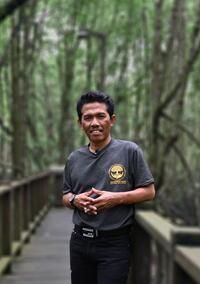
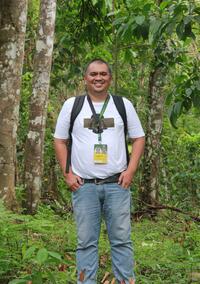
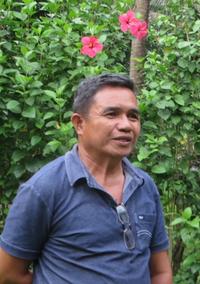
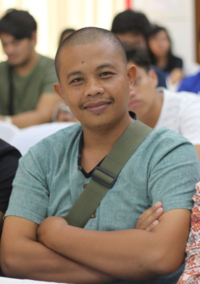
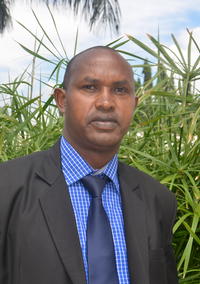
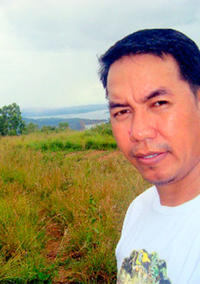
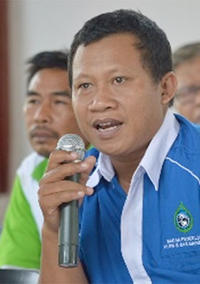
For Aan Pratama, an ELTI alumnus and mangrove assistant with Blue Forests, witnessing this decline firsthand motivated him to action. “I wanted to put what I learned through the ELTI course into real practice,” he says. Together with fellow ELTI alumni from the Gantara Forest Management Unit (KPH Unit VIII Gantara), Pratama led a mangrove rehabilitation effort in abandoned aquaculture ponds in Muna Regency using the ecological mangrove rehabilitation (EMR) approach.
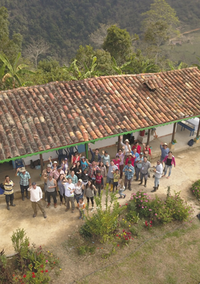
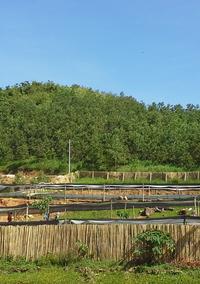
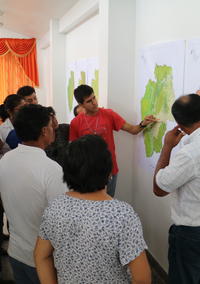
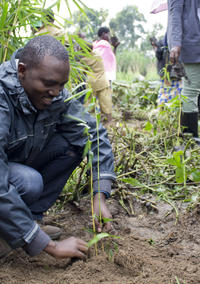
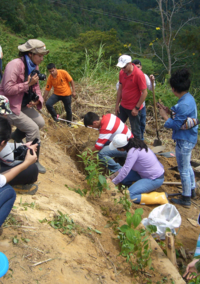
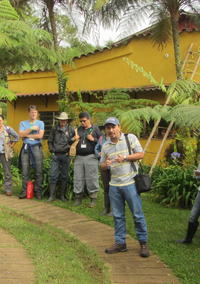
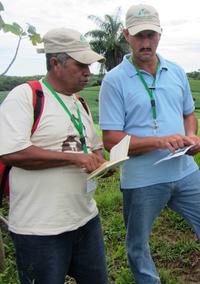
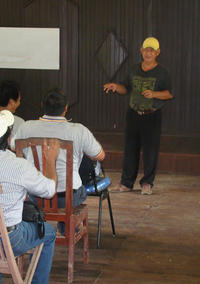
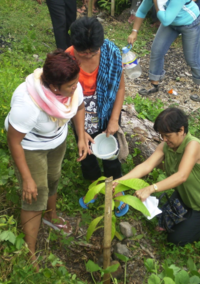
The first phase of the initiative was launched September 26–27, 2025, in Pohorua Village with a collaboration of KPH Unit VIII Gantara, Blue Forests-ELTI, local communities, the village government, and the military village liaison (Koramil 1416 Maligano). After a short socialization on the rehabilitation design s, 24 participants worked to restore 1.8 hectares of abandoned ponds.
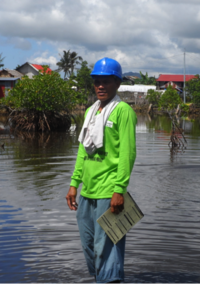
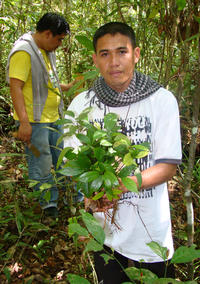
Field surveys revealed that many of the abandoned ponds had been left unmanaged for more than a decade. Damaged dikes and broken water gates had prevented proper drainage, leaving some areas permanently waterlogged. Despite these conditions, naturally regenerating Rhizophora apiculata and other native mangrove species, such as Sonneratia alba, Avicennia marina, and Bruguiera gymnorhiza, were still present around the site.
Using the EMR method, Pratama and the rehabilitation team focused on restoring the site’s hydrology by reconnecting natural tidal channels to allow the return of healthy water flow and sediment balance. This approach allows natural seed dispersal and recovery rather than relying solely on planting. In addition, the team collected naturally generated seedlings from nearby healthy mangrove stands and dispersed them in the site during high tide, ensuring they settled within suitable areas of the restoration zone. To accelerate the rehabilitation process, the team also planted native species, such as Rhizophora apiculata and R. mucronata, following EMR designs that accounted for tidal and elevation patterns.
This initiative illustrates how community-led action grounded in science and collaboration can bring degraded ecosystems back to life. Through the Blue Forests-ELTI Leadership Program, practitioners like Pratama are applying lessons from their training to achieve beneficial restoration outcomes that include reviving mangroves, strengthening local stewardship, and inspiring others to take action for Indonesia’s coastal resilience. A second phase of restoration, scheduled for November 2025, will extend the group’s rehabilitation efforts to eight hectares in Umba Village.
by Lely Puspitasari, updated November 20, 2025
Working together, guided by local wisdom and a shared love for nature, we build harmony between people and the environment. As the mangroves grow, so do we—nurturing coastal ecosystems that are sustainable and full of hope."
Aan Pratama