ELTI Participant Demonstrates Agroforestry and Entrepreneurship in Panama’s Ngäbe-Buglé Indigenous Reservation
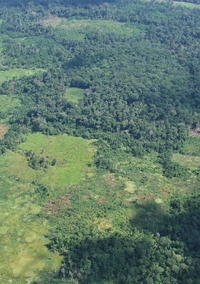
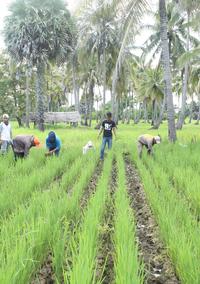
The landscape, adversely affected by low-productivity slash-and-burn agriculture without sufficient fallow cycles, is one of the four most degraded regions of Panama. Inhabitants struggle to meet food security, and there are few opportunities for rural economic development. Despite these challenges, some local farmers have learned and implemented alternative agroforestry practices that enhance traditional agricultural livelihoods and offer greater economic opportunities.
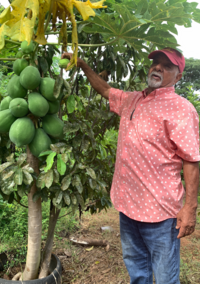
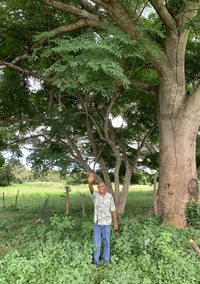
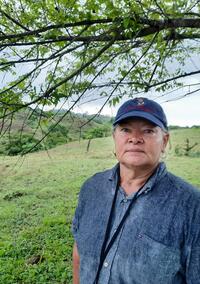
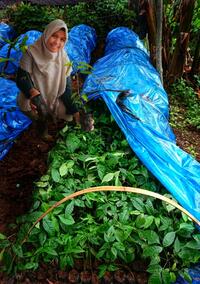
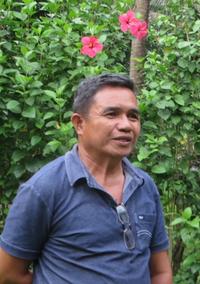
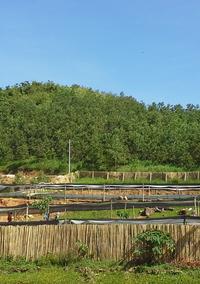
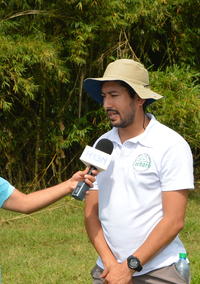
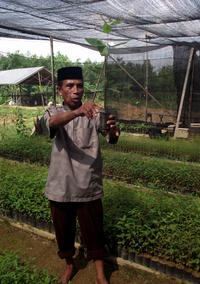
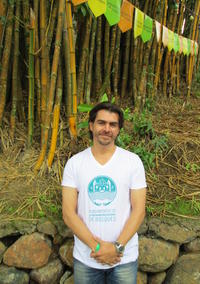
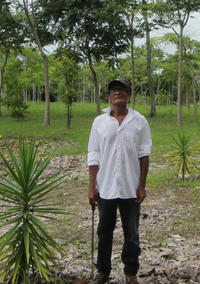
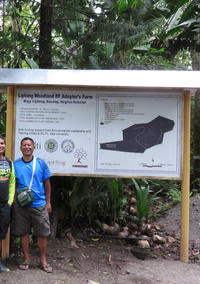
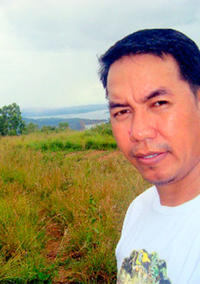
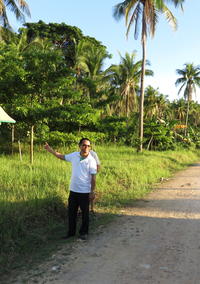
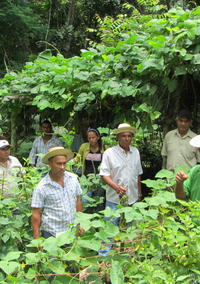
One community leader, ELTI participant Alvaro Bejerano, is an innovator in his community. He has transformed his family’s farm using principles and techniques he learned in 2024 during an ELTI field course on forest restoration and agroforestry. Rather than planting monocultures of annual crops that need external inputs, he has integrated annual crops, timber and fruit trees, and forage shrubs for livestock to create a more productive, diverse, and resilient farm. For example, he grows coffee and cacao in the understory of fruit trees and intercrops maize between papaya and banana plants. His agroforestry model farm serves as a clear example to the community of how emulating the tropical forest’s natural ecology can provide more economic opportunities for diversified income, maintain soil fertility, increase water retention, and store carbon.
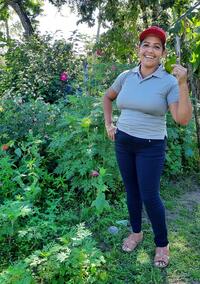
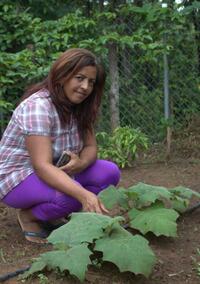
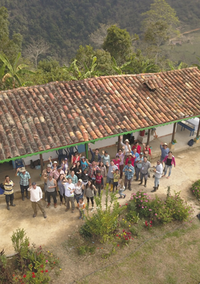
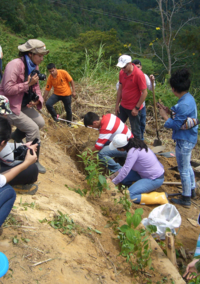
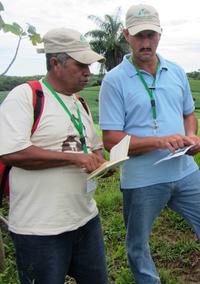
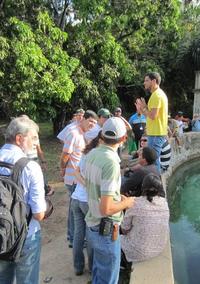
Alvaro uses his agroforestry system as a model to share information and new techniques with his community, inviting members of surrounding communities for farmer-to-farmer exchanges. His leadership and knowledge sharing are essential in this community located far from the provincial capital, where it is difficult for extension agents to provide support. In addition, to leverage local opportunities, Alvaro has started an informal coffee and poultry producers’ group with the objective of using collective action, resources, and knowledge to improve production of these commodities.
by Jake Slusser, updated August 19, 2026
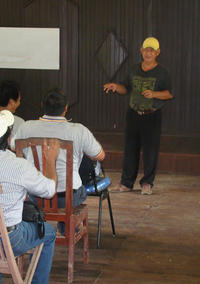
The ELTI training showed me how I could make my farm into a demonstration area to teach agroforestry and sustainable livestock practices to my community, showing them there are better natural practices to grow food to feed our children and increase production to make more money. After the training, I felt very inspired to return home and start my farm plan on day one, to benefit my family and help my community."
Alvaro Bejerano