Search form

  • Contacto
Home
  • Donate
  • News
  • Resources
  • Library
  • About
    • Approach
    • Comité Directivo
    • Work
      • Programs
      • Locations
      • Themes
    • Partners
  • Impacts
  • Projects
  • Events
  • Certificate
    • TFL Certificate Program
    • TFL Project Incubator

You are here

Home

ELTI Participant Shares Knowledge and Strengthens Communities in Southern Bahia, Brazil

In southern Bahia, biologist and rural extension practitioner Isabela Oliveira Leite found in ELTI-IPÊ courses new tools to strengthen her work with family farmers while expanding her landscape-scale understanding of the region, connecting agroecology, ecological restoration, and sustainable rural development.

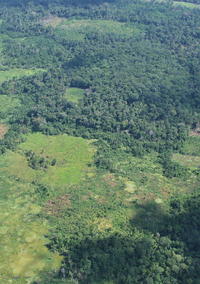
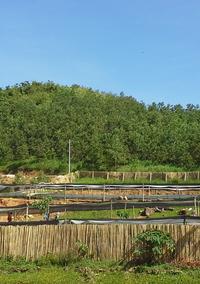
In the southern Bahia municipalities of Eunápolis and Porto Seguro,  important remnants of the Atlantic Forest coexist with a working landscape dominated by pastures, agricultural lands, and extensive eucalyptus plantations. Forest fragmentation and longstanding inequalities in access to land and economic opportunities create significant challenges for family farmers and rural communities that depend directly on natural resources for their livelihoods. Fragmented landscapes can reduce ecosystem services such as water regulation, pollination, soil protection, and climate resilience, increasing the vulnerability of rural livelihoods. At the same time, these families play a vital role in biodiversity conservation and landscape restoration throughout the Atlantic Forest.

It is within this context that Oliveira Leite works. A biologist and rural extension practitioner dedicated to strengthening family farming through agroecology, she began her journey in the biological sciences program at the Federal University of the São Francisco Valley (UNIVASF). Since then, she has worked alongside family farmers, members of Indigenous communities, and participants in traditional communal land use systems. Her motivation is deeply rooted in her personal history. Encouraged by her parents, grandparents, and extended family to pursue education, Oliveira Leite developed an early conviction that access to knowledge has the power to transform lives. She says, “I have always believed in my ability to learn and to share knowledge with those who did not have the same opportunities I had. That is why I continue studying, because it is the best thing I can do for myself and for others.”

Through the Socio-Environmental Development for Family Farming Project (DSAF), an initiative of the Pau-Brasil Agroecology Center at the Federal University of Southern Bahia , Oliveira Leite provides technical assistance to family farmers from agrarian reform settlements and other rural communities in southern Bahia. Through a partnership between the IPÊ-ELTI program and DSAF, she served as an instructor for three field courses: “Agroforestry Planning” (2023), “Essential Oils Production” (2024), and “Agroforestry Systems Management” (2024). The courses engaged farmers from the Nova Vitória Association and the Sister Dorothy Stang, Santa Maria, and Miramar settlements as well as participants from other rural communities in the region, strengthening agroecological practices that contribute to income generation, food security, and Atlantic Forest restoration.

Oliveira Leite first learned about ELTI through IPÊ’s social media channels. Since then, she has completed four courses: “Productive Recovery” (2023), Restoration Monitoring” (2023), “Sustainable and Socially Impactful Business Plan” (2024), and both the online and field components of the "Restoration of Atlantic Forest Ecosystems: From Theory to Practice" blended course (2025). According to Oliveira Leite, these experiences significantly expanded her understanding of the region where she works.

The courses also strengthened her professional confidence. She says, “Today, I feel more confident working in areas where I did not see myself before, such as ecological restoration.” She explains that the knowledge she acquired through ELTI has informed her daily work, influencing technical discussions, planning processes, and decision-making. Another aspect of the courses she values is their accessibility. “The flexibility of the courses allows us to access knowledge without having to leave our home communities. Financial limitations can be a barrier, so the fact that most courses are free and offer such a high level of quality makes a real difference.”

When asked to describe ELTI in a single word, her answer comes immediately: “Opportunity.”

Driven by a vision of a more equitable society, Oliveira Leite believes that everyone should have access to clean water, healthy food, healthcare, a balanced environment, and dignified living conditions. She also hopes to see family farming receive greater recognition for its essential contributions to both food security and environmental conservation.

by Mabel Ludka, updated October 27, 2026

The ELTI-IPÊ courses were important because they helped me gain a broader understanding of the southern Bahia landscape. This wider perspective allowed me to better connect with communities and make more informed decisions in the activities we develop."

Isabela Oliveira Leite
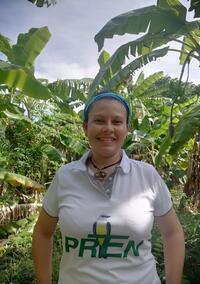
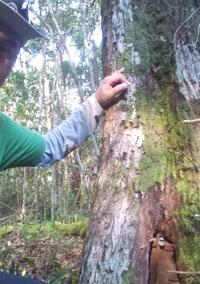
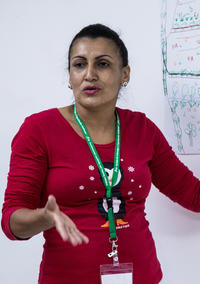
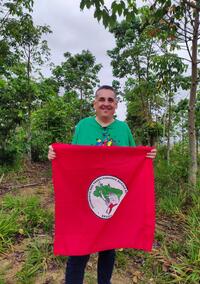
Isabela Oliveira Leite facilitating the 2024 “Agroforestry Systems Management” field course at Nova Vitória Settlement.
IPÊ archive
Isabela Oliveira Leite
IPÊ archive

ELTI Participant Shares Knowledge and Strengthens Communities in Southern Bahia, Brazil

Rwandan Practitioner Engages Communities in Biodiversity Conservation

ELTI Participant Demonstrates Agroforestry and Entrepreneurship in Panama’s Ngäbe-Buglé Indigenous Reservation

ELTI Participant Uses Data to Fight Climate Change and Biodiversity Loss in Kenya

Local Woman’s Leadership Strengthens Seedling Production in Southern Bahia, Brazil

Reviving the Azuero Peninsula through Community-Driven Forest Restoration and Sustainable Farming

Restoring Mangrove Ecosystems Through Community Leadership in Indonesia

Strengthening Sustainable Agriculture in Bahia through Policy, Knowledge, and Networks

Protecting Maridan’s Mangroves through Community-Based Ecotourism

Community-Led Mangrove Restoration in Balikpapan Bay

Integrating Food Systems and Conservation Programs

Supporting a Local Community’s Reforestation Efforts in Panama’s Azuero Peninsula

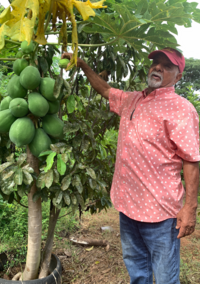
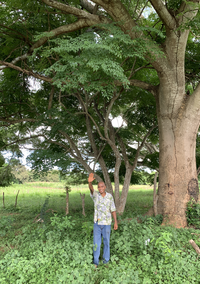
Man standing next to a papaya tree.

Striving for Farm Resiliency in Panama’s Dry Arc

Responding to Humanitarian and Environmental Emergencies in Refugee Camps of Bangladesh

Agroecology as an Alternative: Promoting Agroecological Home Gardens in Brazil

Supporting Honey Production to Help Conserve Mangrove Forests

Exploring Forest Landscape Restoration by Birds

Leading People with Disabilities in Rainforestation Initiatives

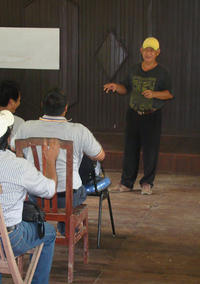
Man in green shirt and baseball cap stands at a podium

Promoting Conservation Efforts in Oil Palm Plantations

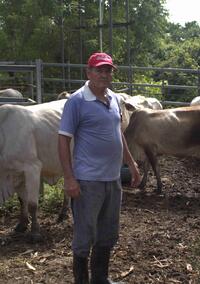
PIcture of a man in a white polo shirt and baseball cap
Donating Land for Proboscis Monkey Habitat Restoration

Utilizing silvopastoral and agroforestry systems to create a climate-smart farm in Panama’s La Villa River Watershed
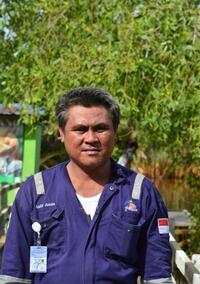
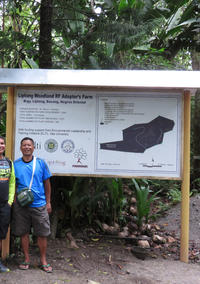
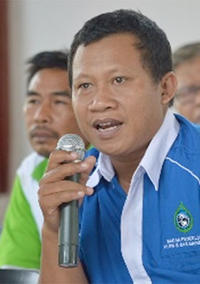
Man (Pak Andung) on blue shirt in the center of the image. Background are mostly green leaves and a portion of a sign on the left of the image.

Using Eucalyptus as an Alternative Livelihood to Conserve Proboscis Monkey Habitat

Environmental Education through Rainforestation

Arnulfo Lasso stands in front of one of the many living fences in the farm, including a large tree behind him.

Increasing the Resilience of Cattle Farms in Panama’s Santa María River Watershed

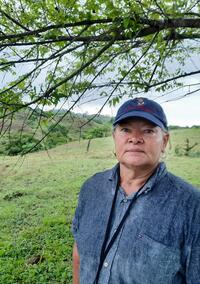
Woman in blue shirt and hat standing in front of field of grass. A tree with green leaves is above her head.

Adopting Silvopastoral Practices to Create Resilient Livestock Systems in Panama’s Azuero Peninsula

Rainwater harvesting table, a white, thin table sitting outside in the sun. It's surrounded by trees and connected to a blue tank for collecting the rainwater.

Utilizing Innovative Rainwater Harvesting Approaches to Improve Livestock Drinking Water Quality and Security

Rainwater Harvesting as a Strategy for Climate Change Adaptation in Panama’s Azuero Peninsula

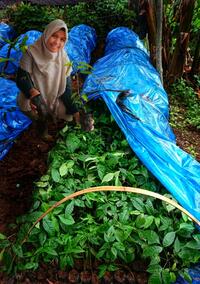
Nursery monitoring activities. Sorting the seeds that are ready to be opened from the plastic cover and waiting for enlargement until they are ready for planting. Covering is needed after the seedlings are transferred to polybags.

Working with the Villagers of Pesanguan to Restore Forests in the Bukit Barisan Selatan National Park

Oil Palm Plantation Staff Member Promotes Beekeeping in Indonesia

Visit to a plot of the classified forest of Anguédédou located in the Abidjan district.

Côte d’Ivoire Turns Ideas into Action Using ROAM

Restoration with native species is helping to bring back ecosystems in the Philippines

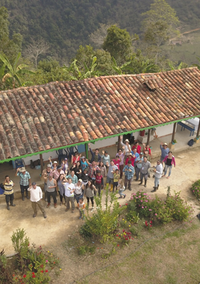
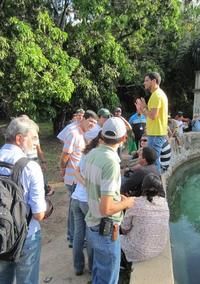
All of the participants at the house of Nirana-Clavellinas.

Second Hands-on Training for Landslide Prevention and Restoration in the Colombian Andes

The mosaic of land uses in Ucayali (Peruvian Amazon).

Peru's National Restoration Efforts Gather Momentum

World Bank Participants Champion ROAM to Peers

Moses conducting a water quality assessment in Rwizi catchment, southwestern Uganda

Farmers in Northern Uganda Sow Seeds for Future Resilience

Philippines' Forest Management Bureau Adds Forest Landscape Restoration Techniques

Denise Margaret Matias

Honey Bee Habitat Restoration in the Philippines Receives International Prize

Malawi Invests in Resilient Landscapes with National ROAM Assessment

Regional Forester Connects with National Peers, Scales Up Restoration Efforts in Peru

Restoring the Rich Forests of Negros Island in the Philippines

Making Environmental Policy in Southern Mexico More Inclusive

Honduras Enriches Diversity of Restoration Techniques for its National Plan

Raising Awareness about FLR Opportunities in Pará, Brazil

Burundi Builds Coordination Between Organizations Implementing FLR

Restoration Supports Colombia's Peace Process

Eastern and Southern African Countries Implement and Collaborate on FLR

Leading Local Stakeholders toward Landslide Prevention in the Colombian Andes

Burundi Steps Towards a More Holistic Approach on FLR Planning and Policy

Santiago

Environmental Restoration Consultant Supports Local Projects in Critical Area of Colombia

Supporting Women Environmental Leaders in Panama’s Azuero Peninsula

Turtle Habitat Restoration In Colombia Receives Global Attention

Mobilizing Neighbors to Rehabilitate Coal Mine Sites in Indonesia

Paddy Field School Helps Restore Mangroves and Economy on Tanakeke

Bringing Structure to Colombia’s Restoration Efforts

Adriana Giraldo

Engaging Younger Generations to Restore Colombian Andean Landscapes

Mauricio Carvajal

Applying Restoration Strategies Learned In Training

Odielca Solis

Empowering Women to Lead Sustainable Ranching and Forest Restoration

Belgis Madrid

Farmers Inspire Farmers to Improve Conventional Practices

Víctor Galindo

Forest Restoration in the Cali River Watershed

Mr. Armando Muñoz

Smallholder Agroecology in the Dry Arc of Panama

Climaco Marciaga and Jose Olguín González discuss restoration strategies during an ELTI field course on tropical forest restoration

Forest Restoration in La Villa Watershed

Banjar Yulianto

Coal Mining Companies Get Help Rehabilitating Their Sites

Pol Carino and Rene Vendiola

Rainforestation Benefits Ripple Out from ELTI Trainings

Vincent B. Concio

Replacing Exotic Monocultures with Native Tree Species

Eufracio Moratas

Mobilizing the Grassroots for Forest Restoration

Assisting with the UWCSEA Rainforest Restoration Program

Rehabilitating Mangroves after Typhoon Haiyan

Redirecting the Philippines' National Greening Program

Restoring the Lawigan Watershed with Native Trees

Rochim Auliandra

Forest Encroachers Become Partners In Indonesia

Ishak Yassir and Rehab specialist from in front of experimental site Singlurus

Restoring Damage from Coal Mining in East Kalimantan

Severino Rodrigo Riveiro Pinto lecturing to participants

Influenciando la Política de Estado sobre Pago de Servicios Ambientales en la Mata Atlántica Brasilera

APASPE member sharing his experiences with course participants in his farm

Apoyando Comunidades Locales en el Ecosistema de Bosque Seco en Panamá a Integrar Prácticas de Restauración de Bosques en Paisajes Agrícolas

esp ALT

Mitigando del Daño por Minerîa de Carbón en Kalimantan Este, Indonesia

Obtener ELTI Actualizaciones

Correos electrónicos trimestrales permiten saber sobre los últimos esfuerzos de ELTI .

TRIC

Visita nuestra tropical Reforestación con Especies Nativas Information Clearinghouse para liberar recursos.

Programs

  • Field Training Program
  • Online Training Program
  • Leadership Program

Nuestros Impactos

  • Africa Stories
  • Neotropics Stories
  • Tropical Asia Stories

Más

  • About ELTI
  • Where We Work
  • Focal Themes
  • Resources
  • News

Contáctenos

Liderazgo Ambiental & Iniciativa para la Formación (ELTI)

205 Prospect Street

New Haven, CT 06511

Tel: (1) 203-436-9246

Envíenos un correo electrónico

Singapore oficina

Panama oficina

  •  
  •  
  •  
  •  
  •  

ELTI is an initiative of:

ELTI was created with a generous grant from:

Copyright © 2015 Environmental Leadership & Training Initiative | All rights reserved. | Yale University Privacy Policy | Website design by Red Lemon Creative